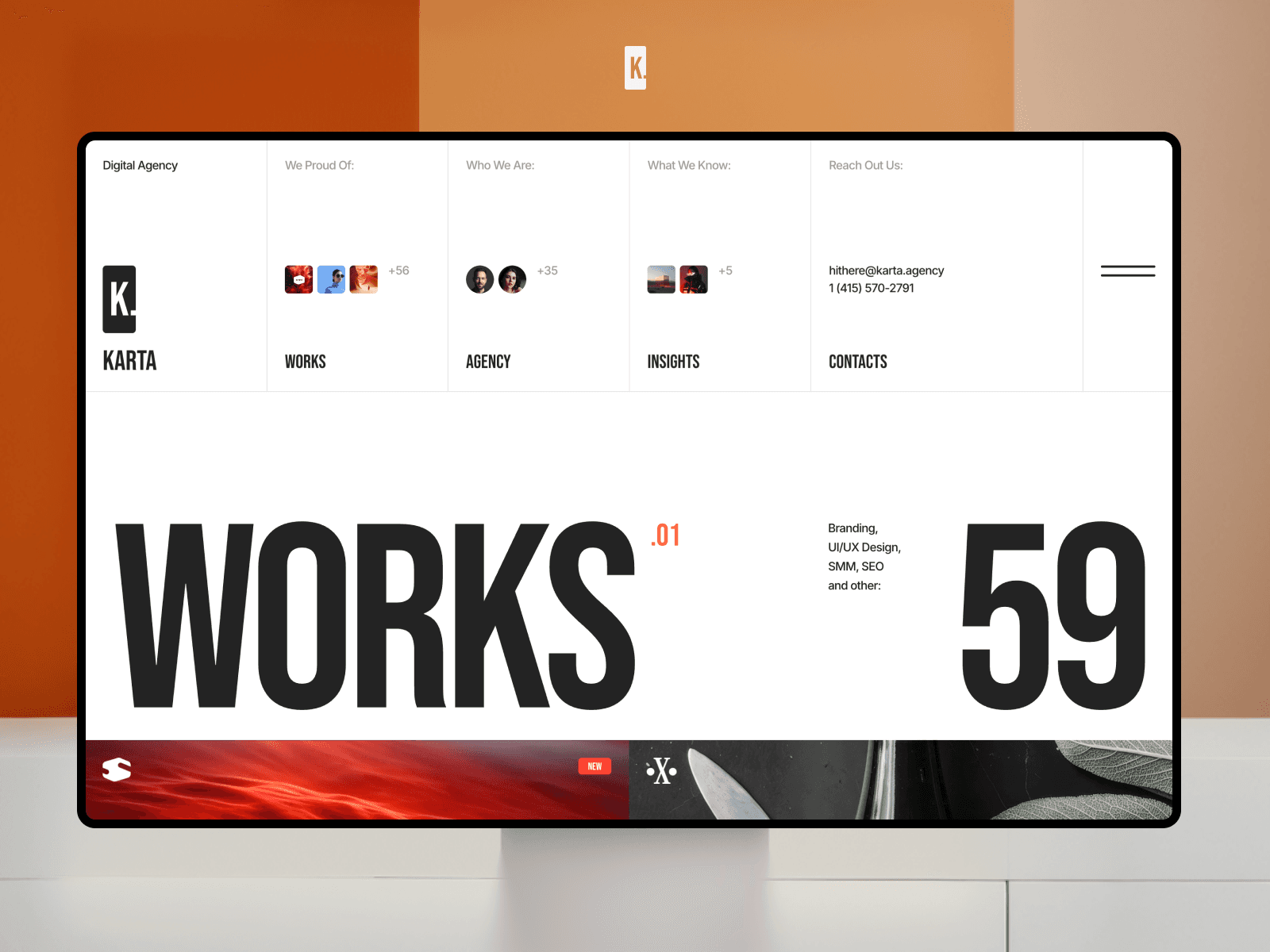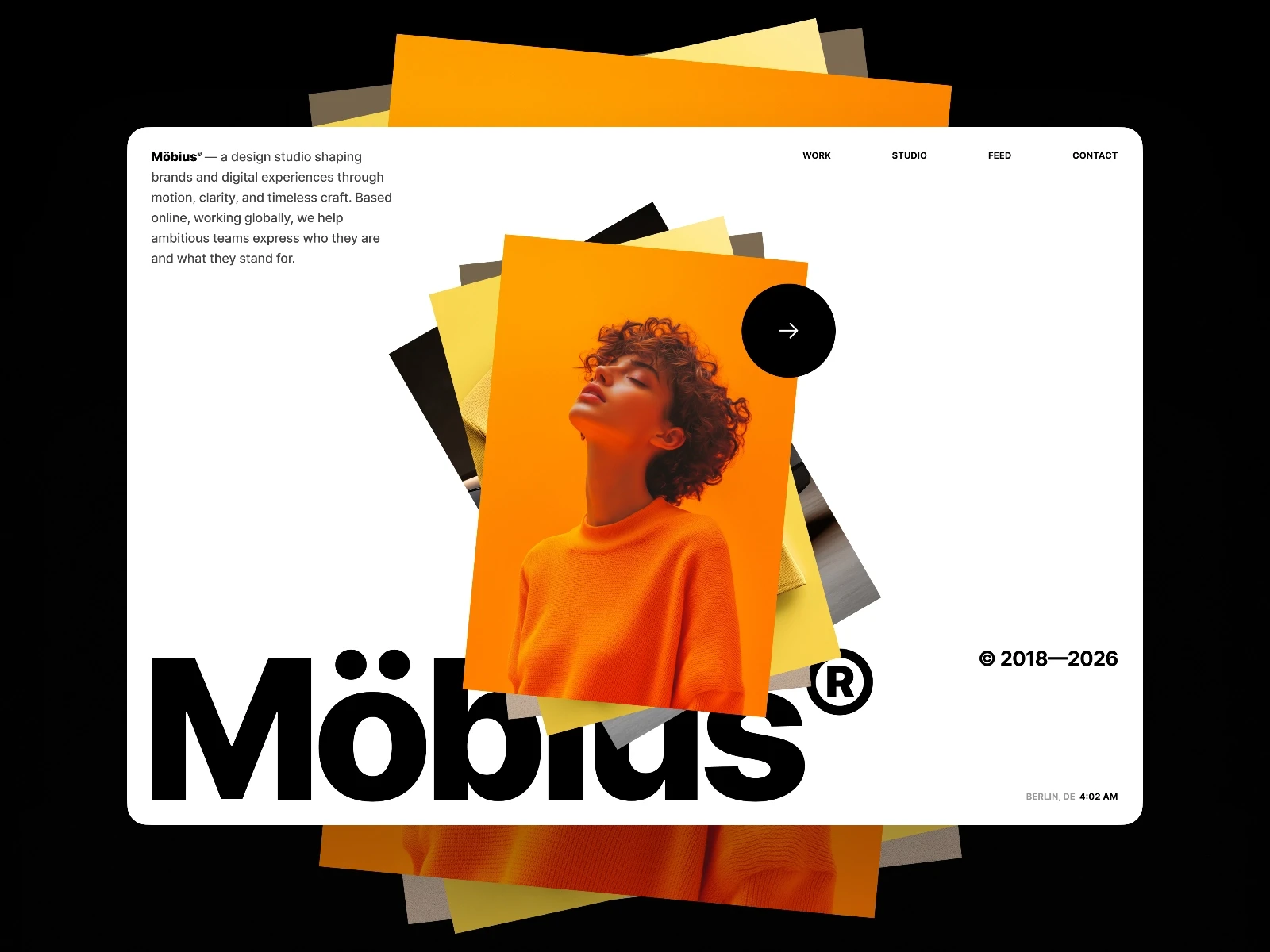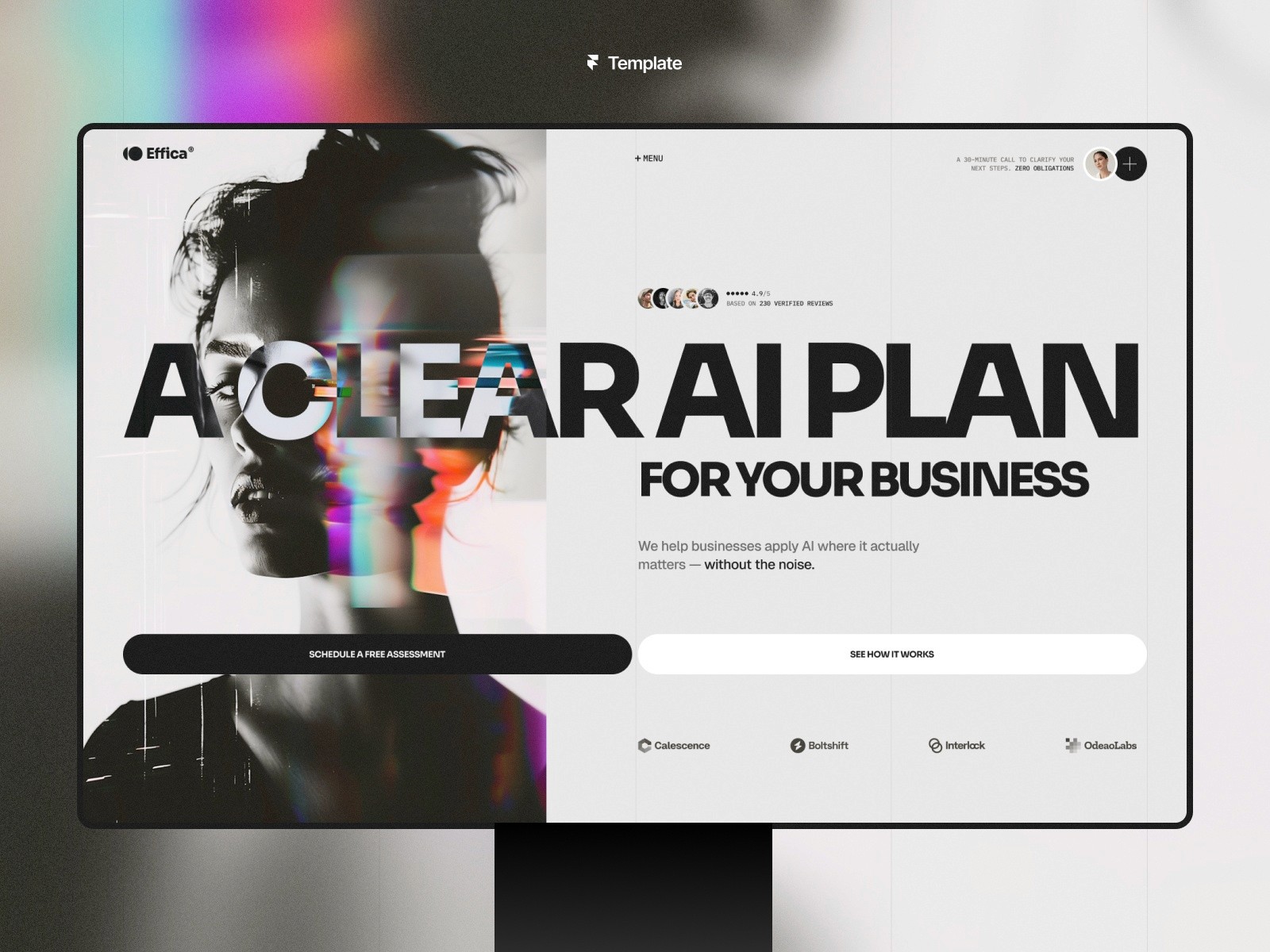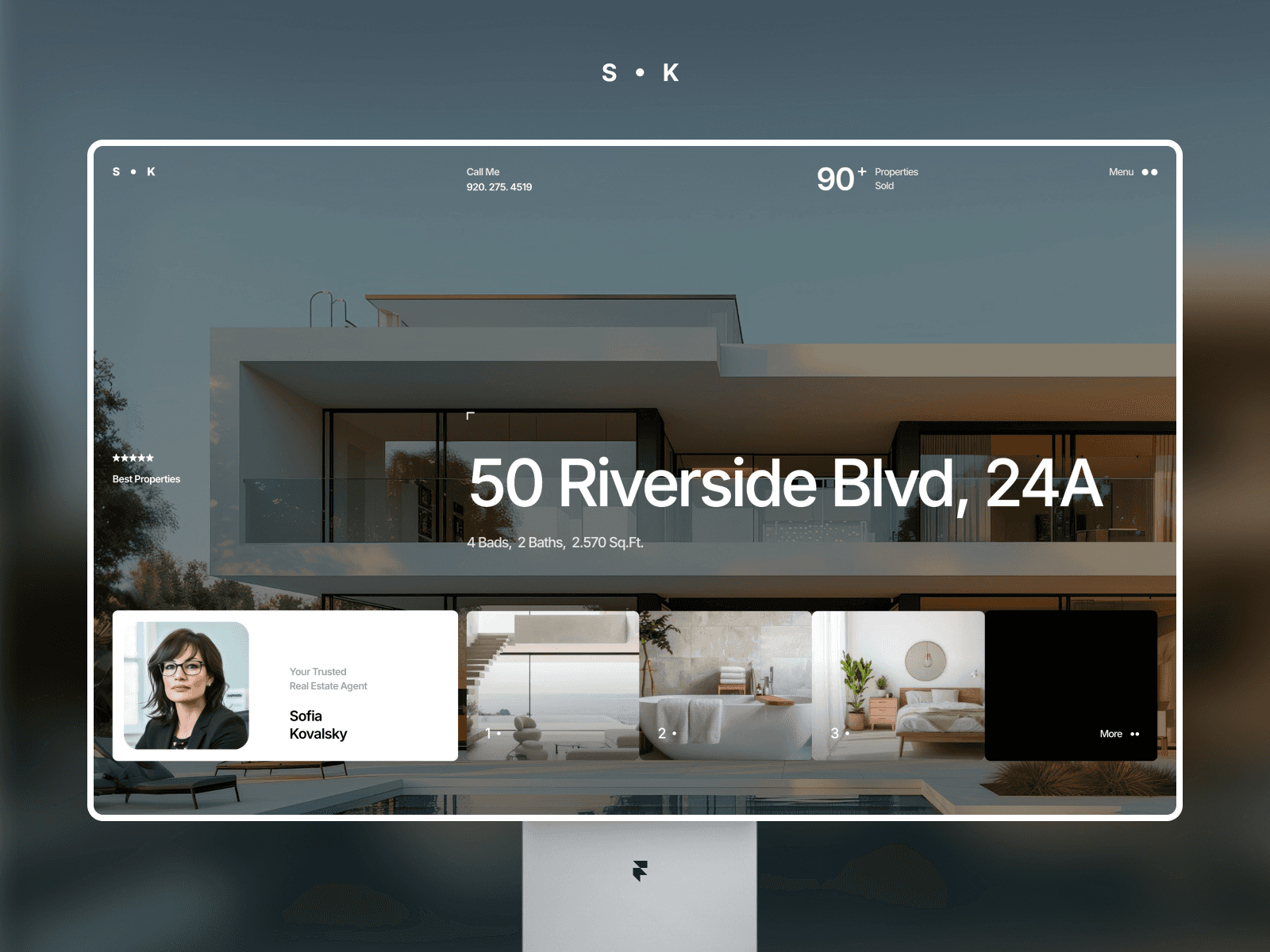

A website is more than a collection of screens: it’s a sequence of moments. What users feel as they move through it often matters more than what they see. Animation lives in that space between actions, quietly shaping how an experience unfolds. Used thoughtfully, it doesn’t just decorate a product. It gives it rhythm, clarity, and a sense of life.
Guiding, Not Distracting
Good animation doesn’t call attention to itself, it guides. A subtle transition can show where something came from and where it’s going. A small movement can confirm an action or prevent confusion. Instead of forcing users to think, animation helps them understand. It reduces friction by making interactions predictable and intuitive. When done right, users don’t notice the animation itself. They just feel that everything makes sense.
Creating Flow and Continuity
Without motion, digital experiences can feel fragmented: like disconnected states rather than a continuous journey. Animation bridges those gaps. It connects screens, softens changes, and creates a natural flow from one step to the next. Even simple transitions can turn abrupt shifts into smooth progressions. This sense of continuity builds comfort. It allows users to stay focused, rather than constantly reorienting themselves.
Adding Personality with Purpose
Beyond function, animation brings character. It can express tone, reinforce a brand, and make interactions feel human. A playful bounce, a calm fade, a precise micro-interaction: each choice communicates something. But personality only works when it serves the experience. Overuse or unnecessary motion quickly becomes noise. The strongest animation feels intentional. It supports the product without overwhelming it, adding just enough energy to make the experience memorable.
In the end, animation isn’t about movement — it’s about meaning. It turns static interfaces into living systems, where every interaction feels considered, responsive, and alive.