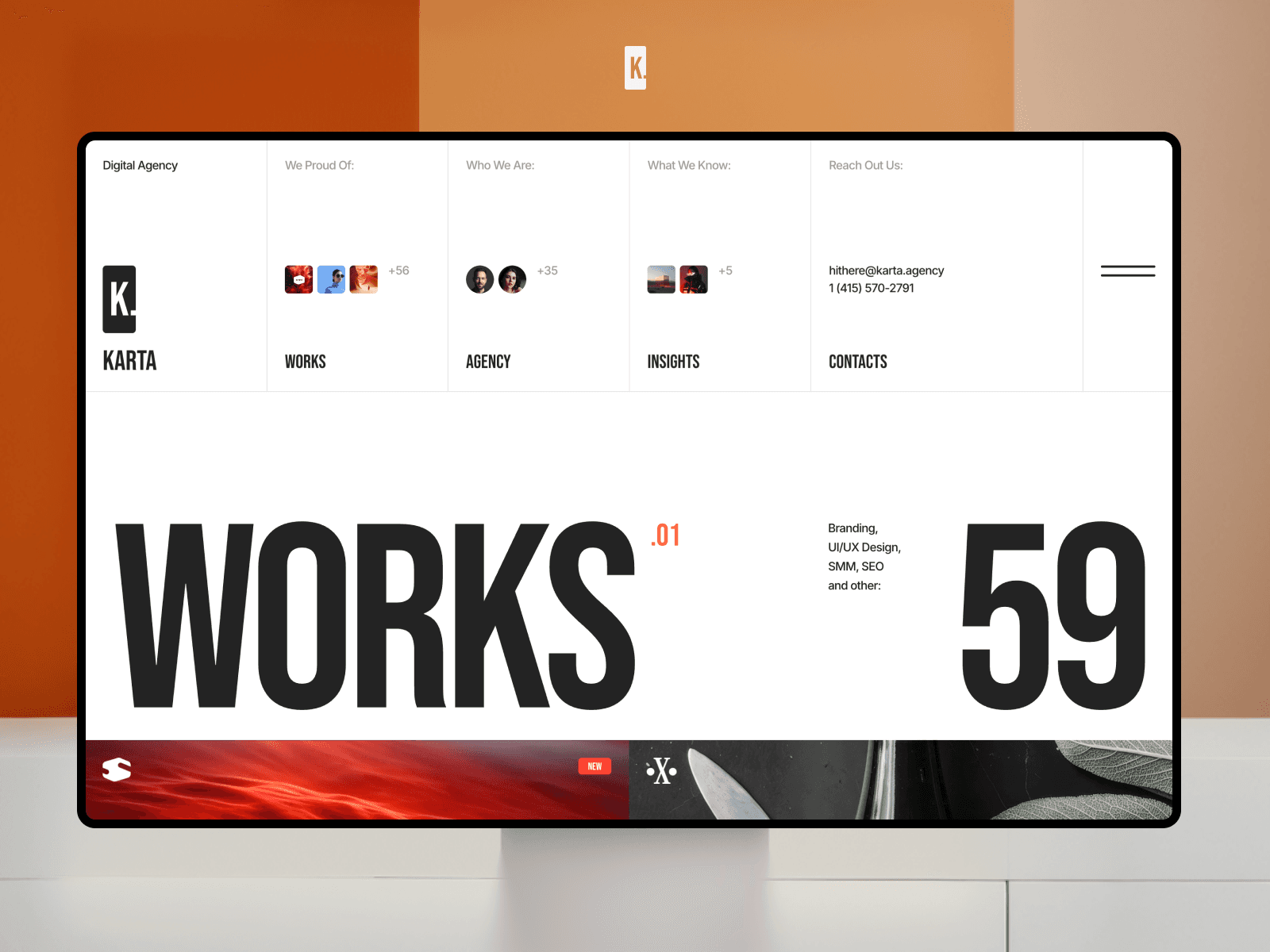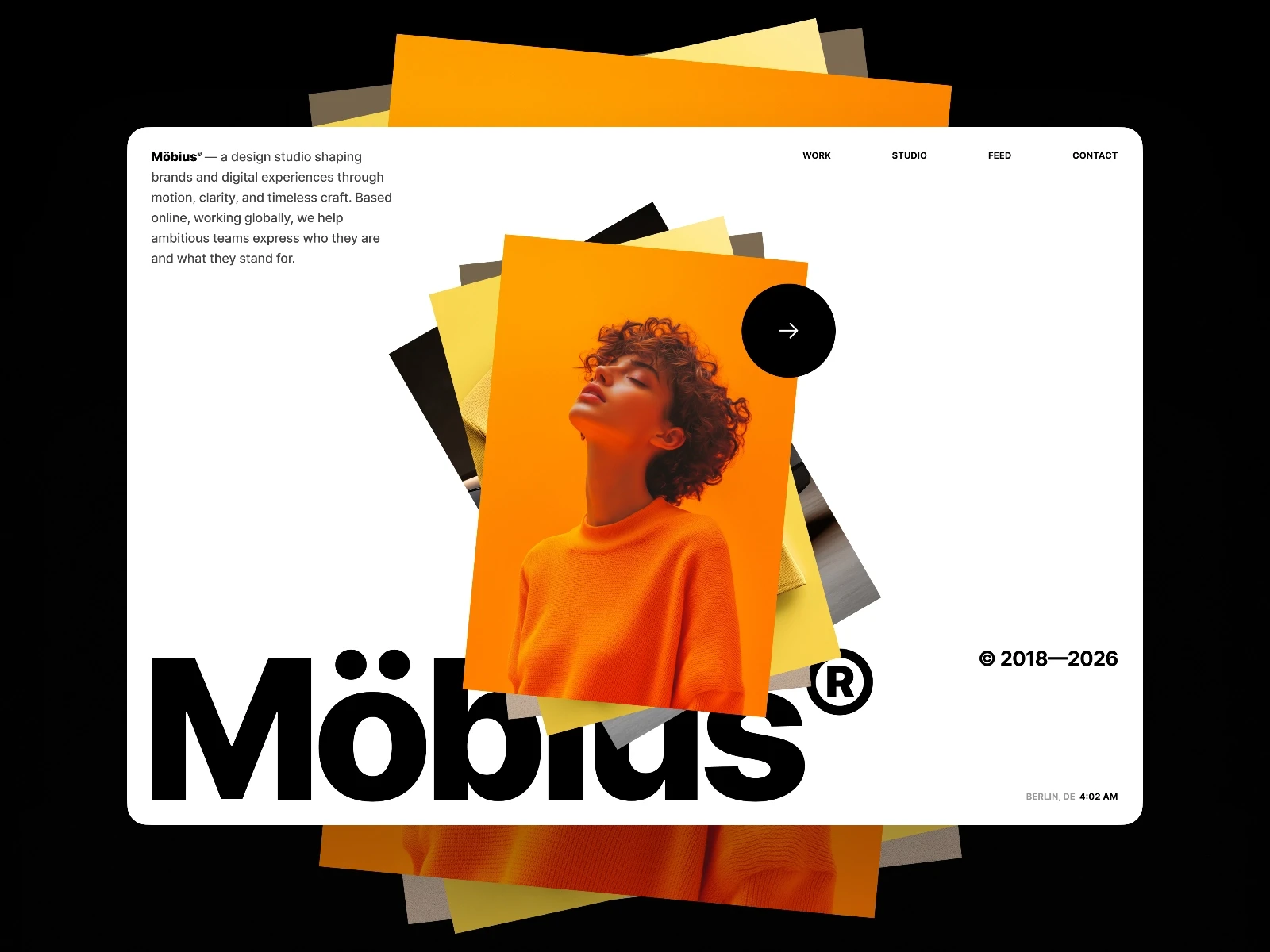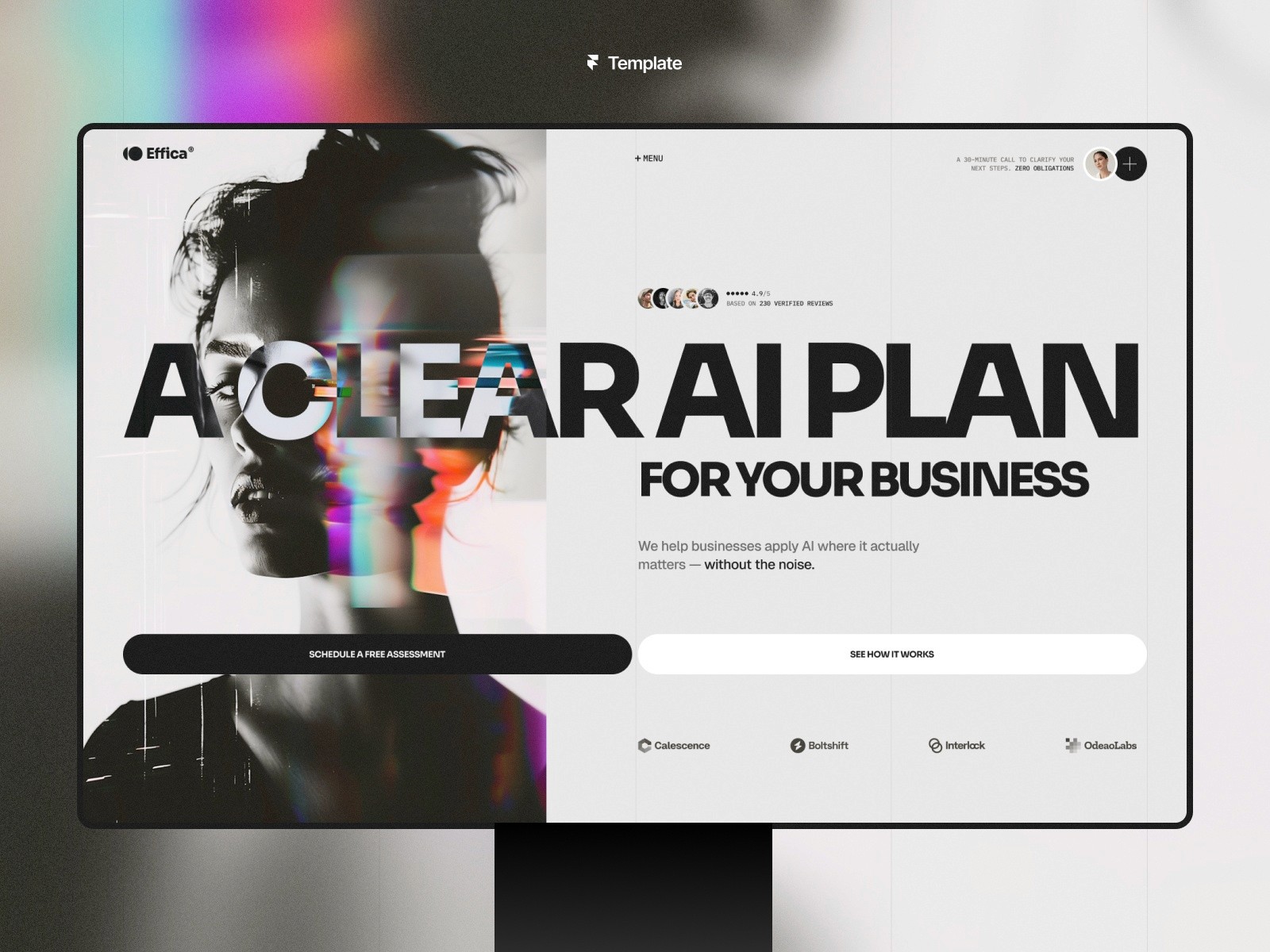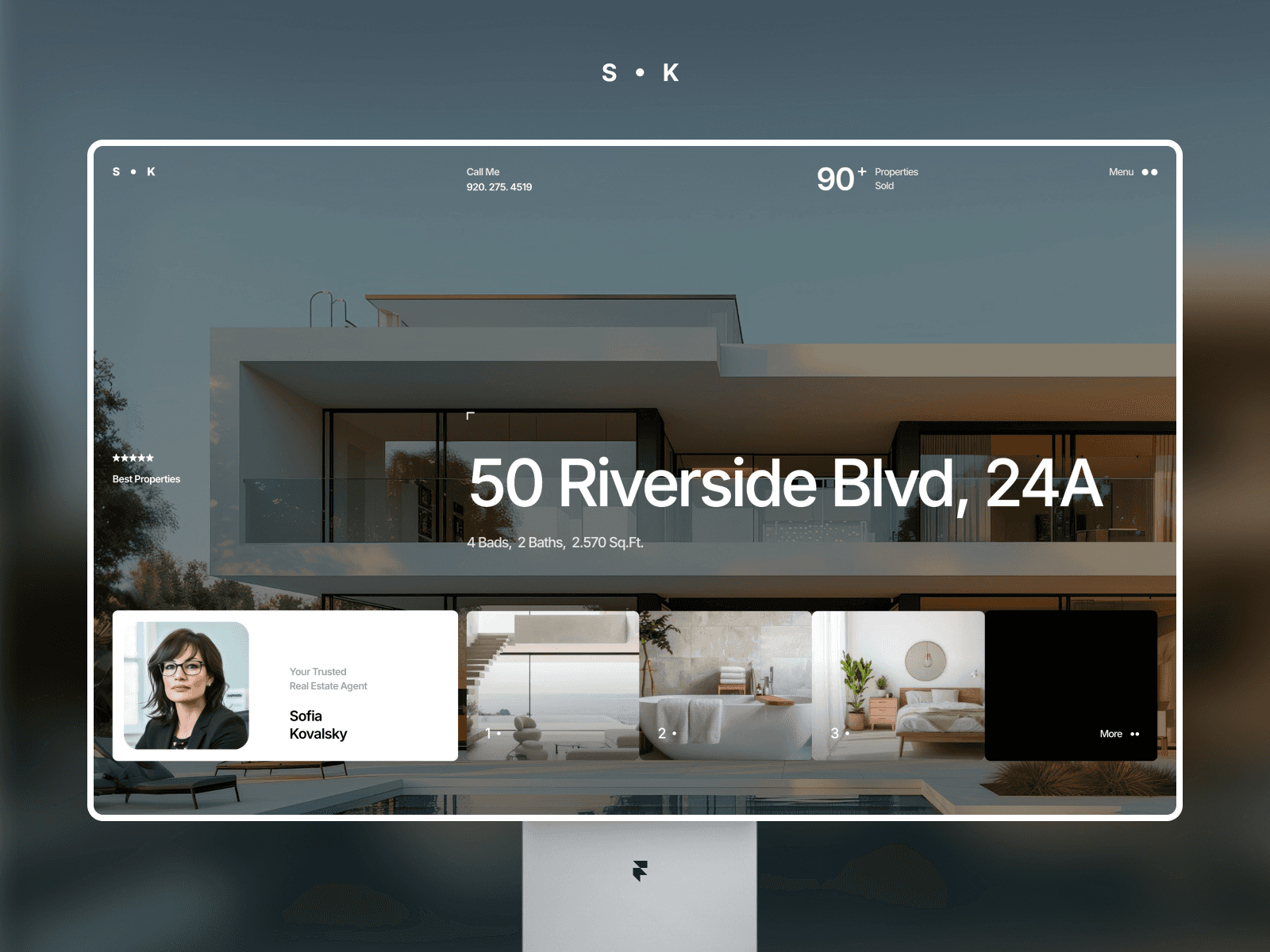


In today’s digital landscape, execution is no longer the differentiator. Tools are accessible, production is fast, and almost anyone can build something that looks good. But what separates brands, products, and experiences that truly stand out is not how they are made: it’s how they are seen.
Creative perspective has become the real advantage. It’s the ability to frame ideas differently, to connect design with intent, and to turn functional outputs into meaningful experiences. While many focus on visuals or features, perspective operates at a deeper level: it shapes direction before anything is built.
From Design to Point of View
Strong brands are not built on aesthetics alone — they are built on clarity.
A creative perspective defines:
what to emphasize
what to ignore
how to communicate value
Without it, design becomes decoration. With it, every element has purpose.
This is why two products with similar features can feel entirely different. One blends in, the other stands out, — not because of better execution, but because of a clearer point of view.
In digital experiences, this translates into:
sharper messaging
more intentional user flows
stronger emotional connection
Perspective turns design into something users don’t just use, but understand.
The Role of Perspective in a Fast-Moving Market
As speed increases across the industry, the risk is not moving too slow, it’s moving without direction. Teams launch faster than ever. Iterations happen daily. But without a clear creative lens, this speed leads to noise instead of progress.
A strong perspective acts as a filter. It ensures that:
decisions stay consistent
products evolve with intention
brands remain recognizable across touchpoints
Instead of reacting to trends, teams with a clear perspective shape their own direction. They don’t just follow patterns, they reinterpret them. And in a market where everything is accessible, interpretation becomes more valuable than creation itself.
In general
Creative perspective is not a trend, it’s a foundation.
In a world where building is easy, seeing differently becomes the hardest and most valuable skill. It’s what gives direction to speed, meaning to design, and consistency to growth. And ultimately, it’s what powers the brands, products, and experiences that people actually remember.