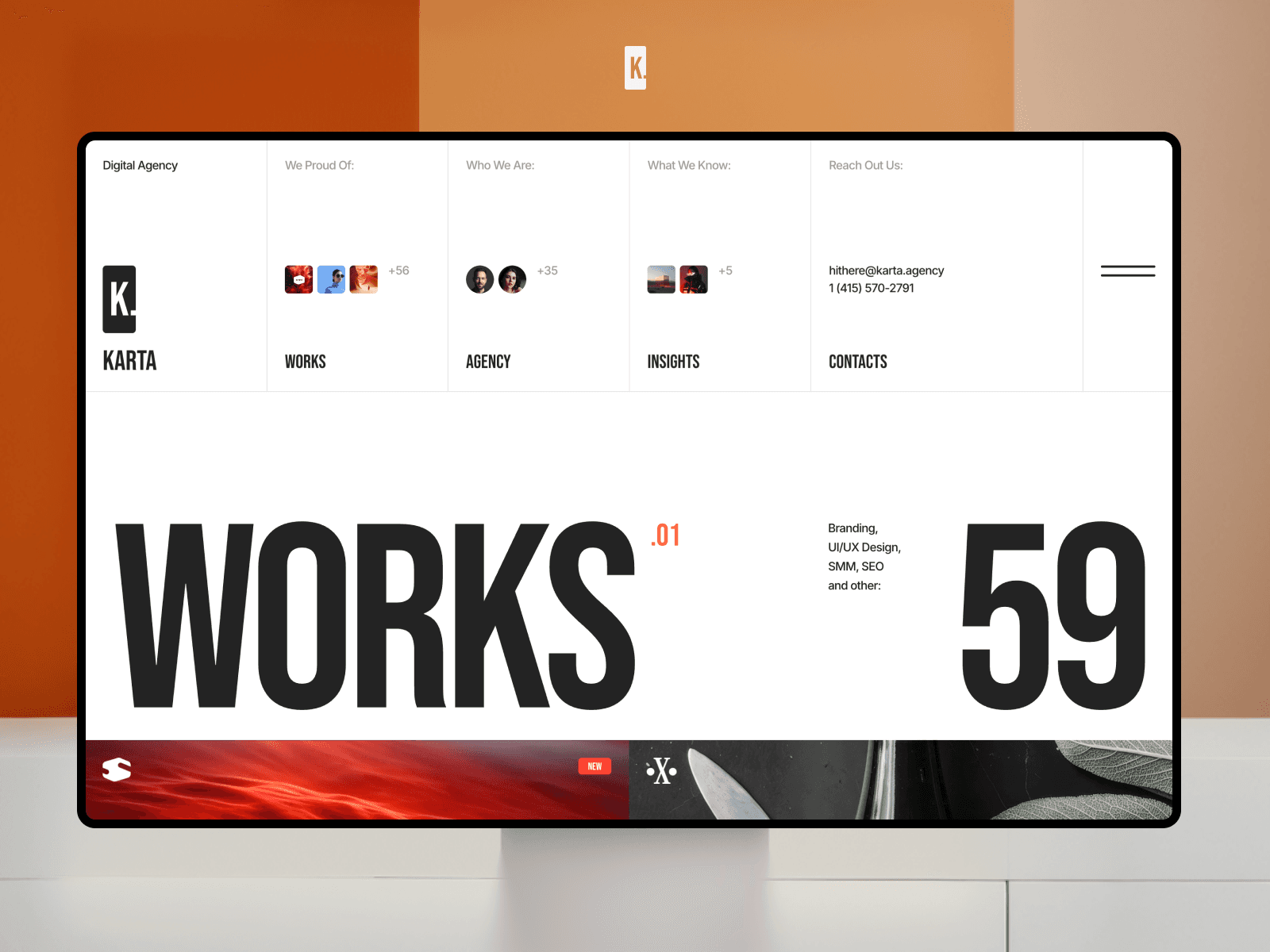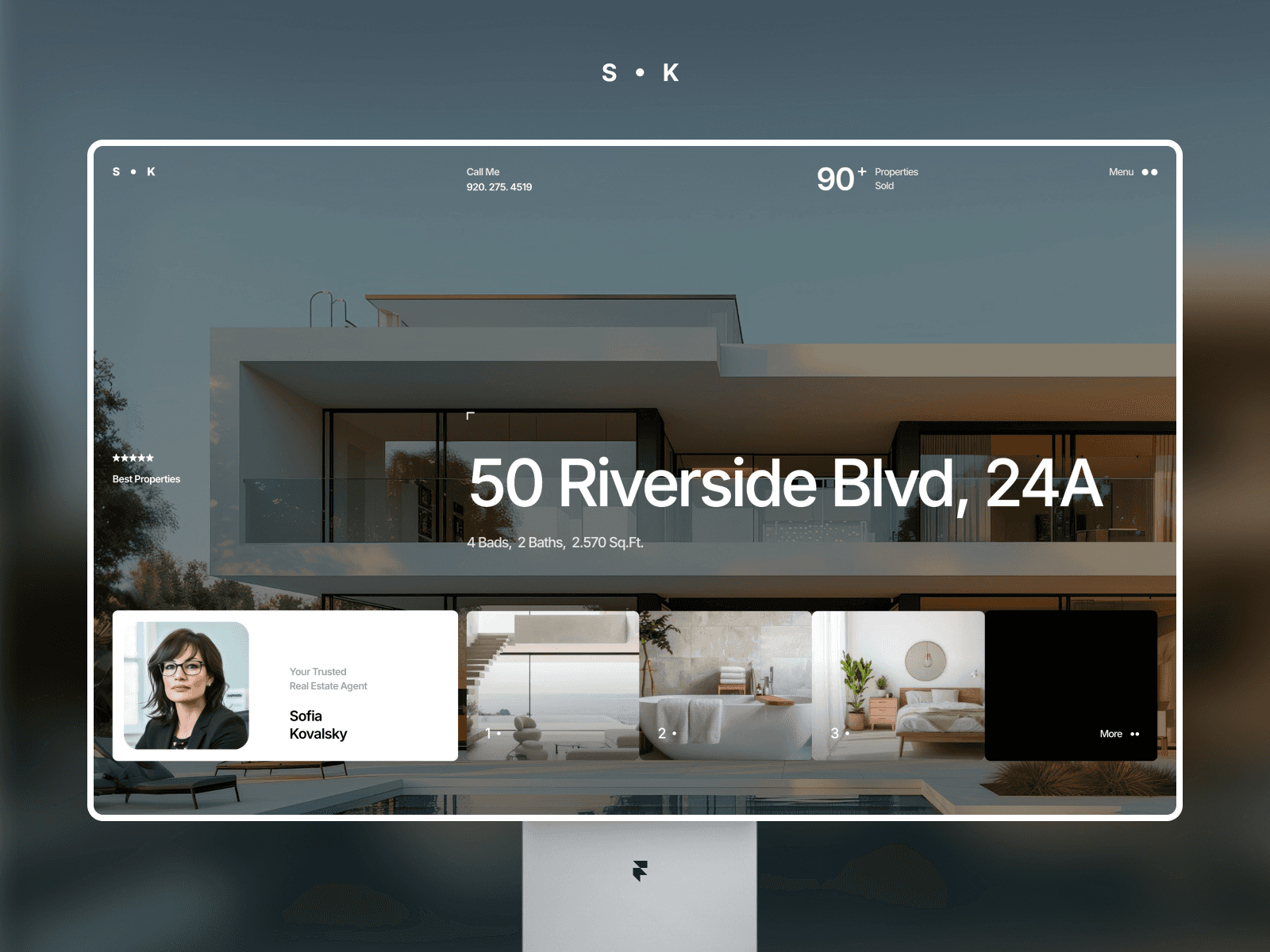


Not long ago, building a website meant committing to weeks, or months, of work. You needed designers, developers, back-and-forth iterations, and a budget that made the whole process feel like a serious investment. Launching something online wasn’t just a step: it was a project.
Today, that reality feels almost distant.
You can go from idea to a fully functional, high-quality website in a matter of hours. Not because the web became simpler, but because a new layer formed on top of it: templates.
What used to be seen as shortcuts for beginners have evolved into something much more powerful. Templates are now the foundation of how a large part of the internet is built. They don’t just accelerate the process, they redefine it.
From Craft to System
At their core, modern templates are no longer just visual starting points. They are systems. A well-built template today includes not only layout and styling, but also structure, logic, and intent. Content hierarchies are already thought through. User flows are pre-designed. Conversion patterns are embedded into the experience. Even technical aspects like responsiveness, performance, and SEO are often handled before the user writes a single line of text.
This changes the nature of building websites entirely.
Instead of designing from scratch, creators are assembling from proven components. Instead of solving the same problems repeatedly, they start from a place where most decisions have already been made, and validated. The role of the designer shifts. The work becomes less about crafting individual pages and more about building scalable systems that others can reuse. The value moves from execution to thinking.
And in many ways, that’s the real transformation: templates don’t remove creativity, they relocate it.
Speed Becomes the Default
Speed is no longer an advantage — it’s expected.
Templates allow founders, agencies, and creators to launch and iterate faster than ever. What used to take weeks now takes hours. Ideas can be tested quickly, and websites become flexible, evolving products. As a result, competition increases. When everyone can build, the real edge is how fast you can learn and adapt.
The New Web Standard
Templates are also shaping how the web looks and works.
Common patterns: clear hero sections, structured layouts, mobile-first design, are everywhere. Not because of a lack of creativity, but because these patterns are proven to perform. Templates distribute best practices at scale, raising the overall quality of the web. While some uniformity appears, it’s part of a natural shift: standardize what works, and differentiate where it matters.
Outcome
Templates have quietly become infrastructure.
They lower the barrier to entry, increase speed, and raise expectations. And in doing so, they’re reshaping not just how websites are built—but who gets to build them.